The Rythm of July
The Rhythm of July: Energy, Vitality, and Recovery in the City
July in New York is not defined by pace, but by duration. The city doesn’t necessarily move faster—it moves longer. Daylight extends well into the evening. Heat builds early and remains present across surfaces, streets, and interiors.
What changes is not the intensity of the city, but the accumulation. Time outside, time in motion, and time within dense environments begin to compound. By midday, the effect is already measurable.
July becomes a question of management. Not how much you can do, but how long you can sustain it without losing clarity.
Equinox Hotel New York is designed for that condition. The environment regulates temperature, light, and recovery—allowing the city to be experienced without excess. The objective is not to reduce exposure, but to control it.


Understanding the July Pulse of New York City
In July, the city operates on an extended cycle. Daylight often exceeds fourteen hours, and ambient heat remains consistent from morning into night. Surfaces retain warmth, and the built environment slows natural cooling.
This creates a sustained load on the body. Movement, even at moderate levels, carries a higher cost. The effect is gradual, but continuous.
The shift is subtle but important: July is not about moments of intensity—it is about cumulative exposure. Clarity depends on pacing. Output must be distributed, not concentrated.
This is where most people misread the season. They attempt to maintain spring-level output in a summer environment. The result is fatigue.
July requires adjustment. Less acceleration, more control.
Movement Aligned With the Season
Movement in July is defined by timing.
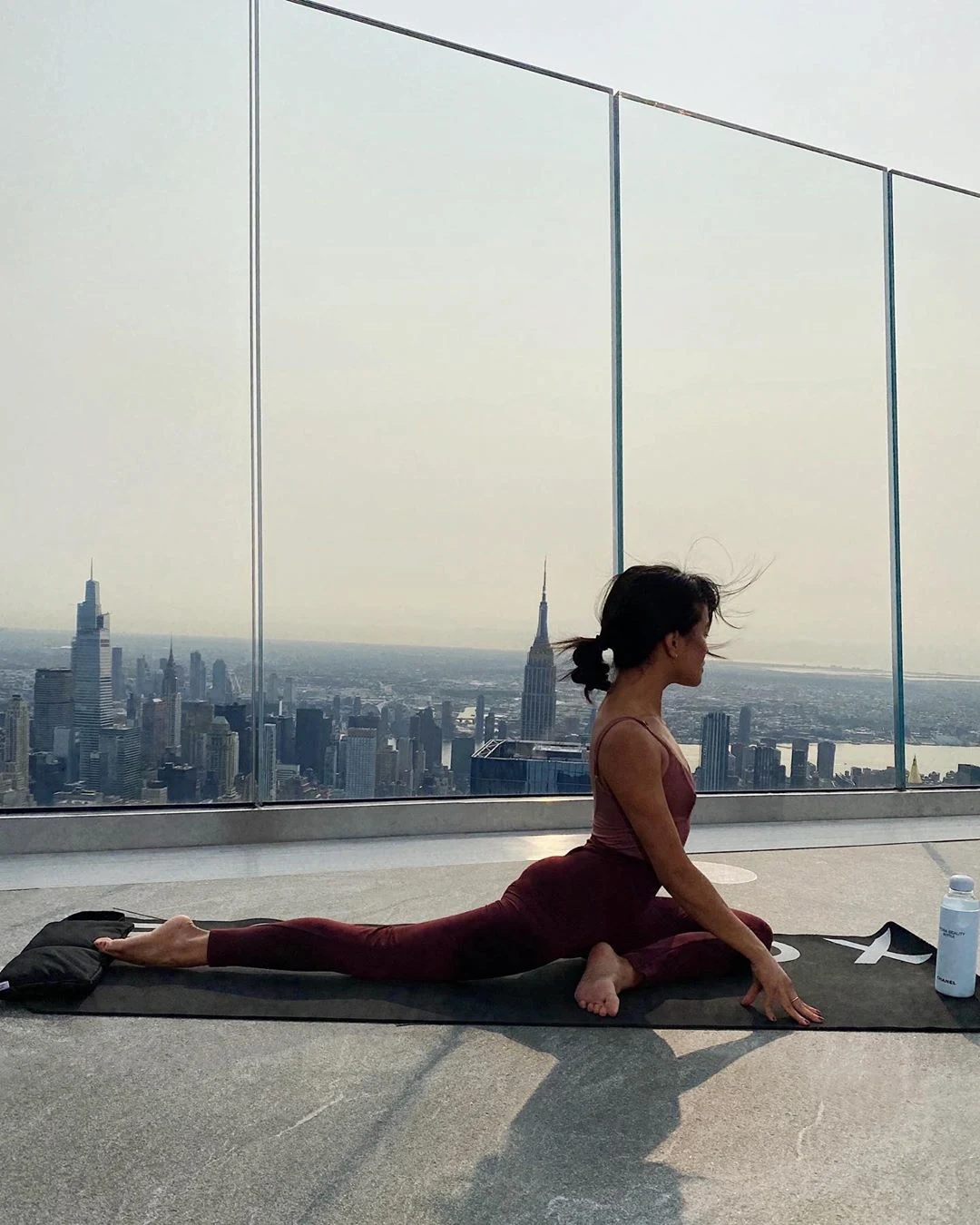
Early morning provides the most stable conditions—lower temperature, reduced density, and clearer air along the Hudson River. This is where longer sessions hold up.
By midday, the strategy changes. Movement becomes shorter and more precise. The goal is not volume, but continuity—maintaining rhythm without overextending.
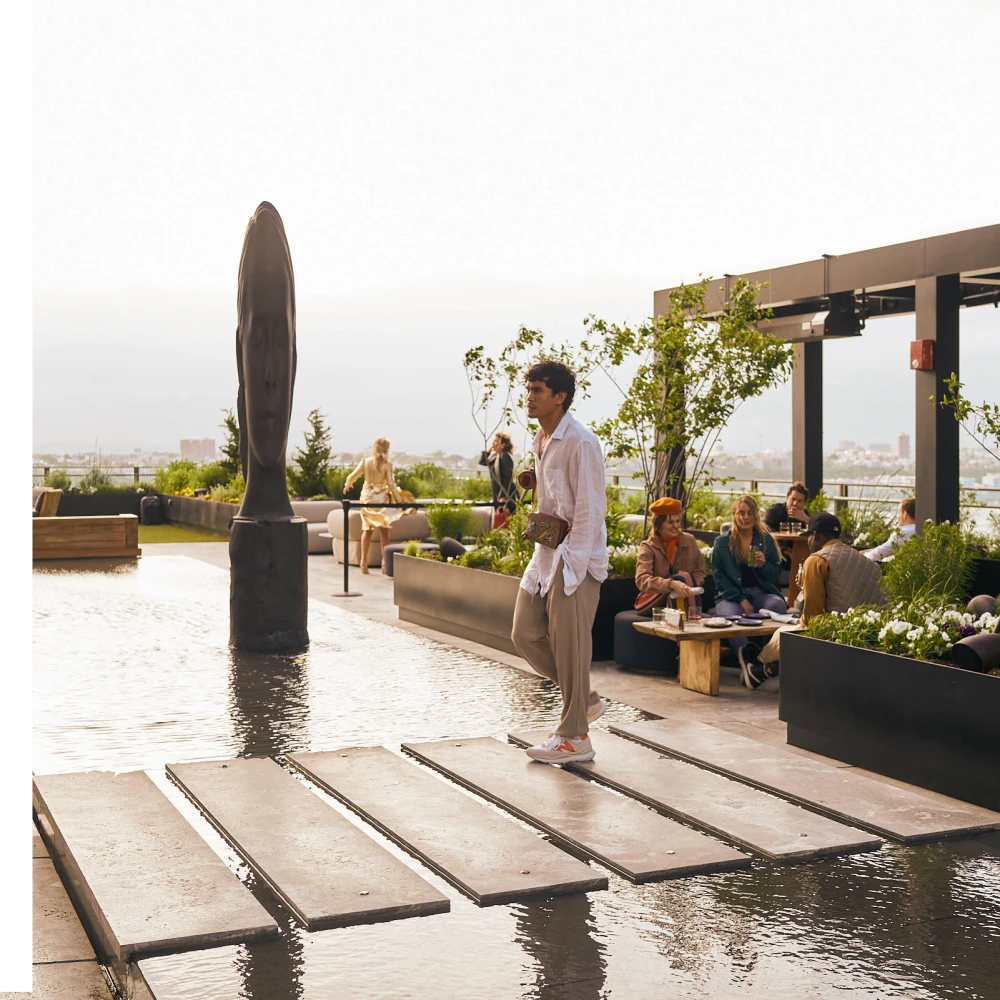
Within Equinox, this approach is structured. Morning sequences activate the body without excess strain. Outdoor exposure is measured—whether along the High Line or within elevated spaces like Electric Lemon—introduced in intervals rather than sustained duration.
The key shift is simple:
timing matters more than intensity.
Heat, Light, and the Art of Energy Preservation
What July takes, it rarely returns on its own.
Heat increases physiological demand. Extended daylight disrupts natural circadian timing. Continuous sensory input—movement, sound, density—adds another layer of fatigue.
The solution is not to recover later. It is to preserve energy throughout.
At Equinox Hotel, this is approached as a system. Cooling is immediate and controlled—pools, contrast therapies, and regulated environments reduce exposure in real time. Interior spaces remain stable, minimizing the stress of transition.
Light is managed with the same precision. Circadian-aligned systems and blackout environments maintain consistency, independent of external conditions.
Recovery is not reactive.
It is continuous.
Evenings Designed for Reset
Evening in July does not signal an end. It creates an opportunity.
Heat begins to release. Light softens. The city remains active, but the conditions shift just enough to allow for recalibration.
How that window is used determines the next day.
At Equinox Hotel, the transition is structured. Light levels lower. Sound is reduced. Spatial design removes excess input without removing clarity.
In-room environments extend that control. Temperature stabilizes. Blackout systems remove extended daylight. The body is guided toward rest rather than left to reach it.
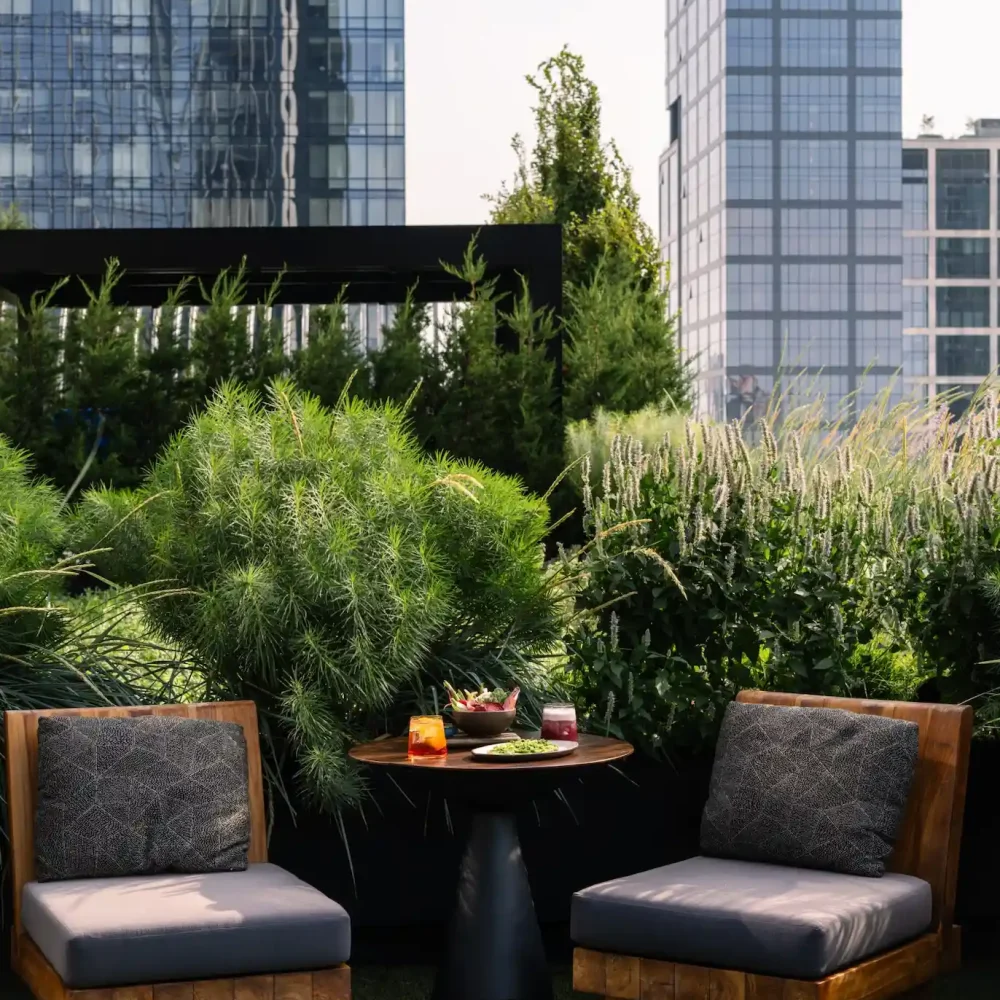
Dining follows the same logic—lighter, nutrient-forward, aligned with recovery rather than stimulation.
The objective is not to extend the day further.
It is to close it properly.
Extended daylight, sustained heat, and longer periods of activity. The city operates over a wider time frame, increasing overall exposure throughout the day.
Because the effects are cumulative. Heat, light, and movement build over time rather than appearing in isolated moments.
Timing becomes more important than intensity. Early morning supports longer sessions, while midday requires shorter, controlled activity.
Recovery helps maintain energy before depletion occurs. It is most effective when integrated throughout the day rather than delayed.
Through controlled environments—temperature, light, and recovery systems—that regulate the effects of the season and support sustained performance.
Related articles

Inside NYC’s Next-Gen Performance Treatments

US Open 2026: Beyond the Court, Recovery & Style
Met Gala 2026

Redefining Romance