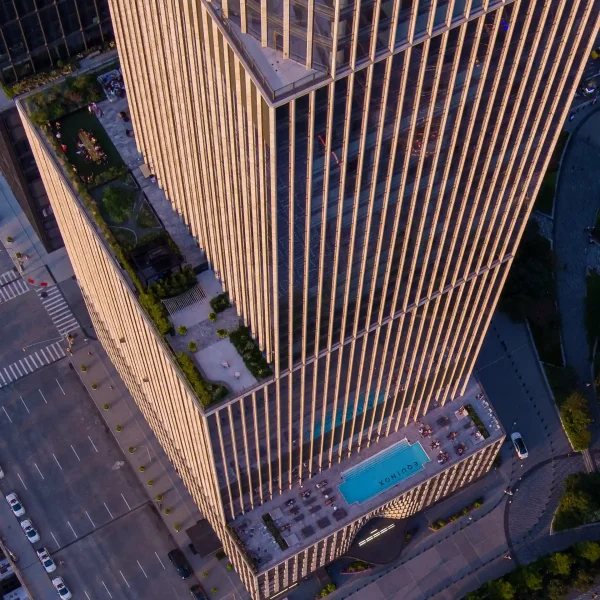
The Rhythm of July: Energy, Vitality, and Recovery in the City
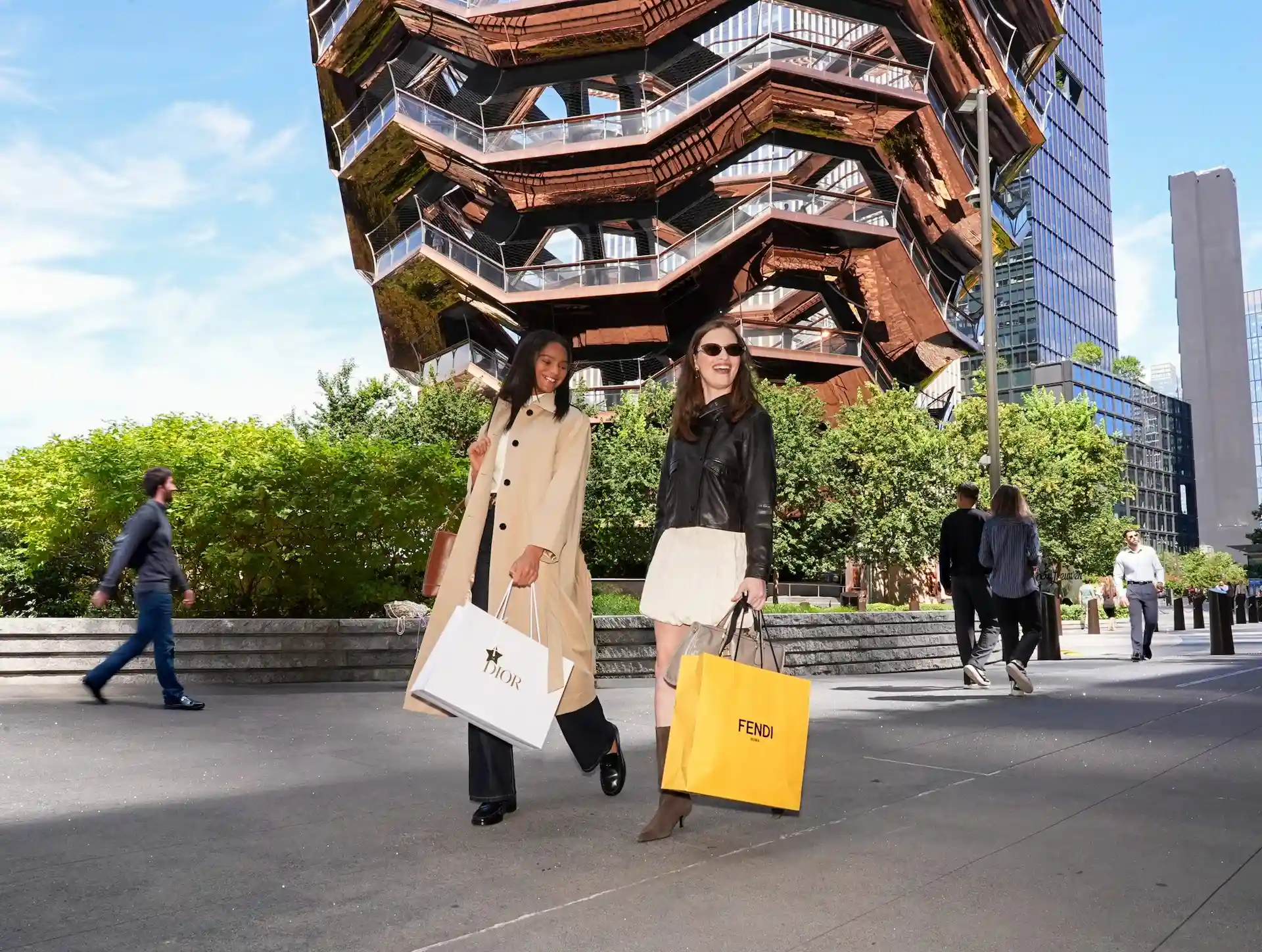
July in New York is defined by heat, light, and sustained movement
July in New York is defined by extension.
Daylight carries further into the evening. Heat accumulates and remains present across the city’s surfaces. Movement becomes continuous—less defined by urgency, more by duration and exposure.
The environment operates at a heightened level, but the experience is shaped by how it is managed. Time, temperature, and motion interact continuously, requiring a more deliberate approach to maintaining clarity and energy.
At Equinox Hotel New York, this intensity is met with control. The environment is calibrated—temperature, light, and spatial design aligned to support recovery, regulate exposure, and sustain performance within the conditions of midsummer.
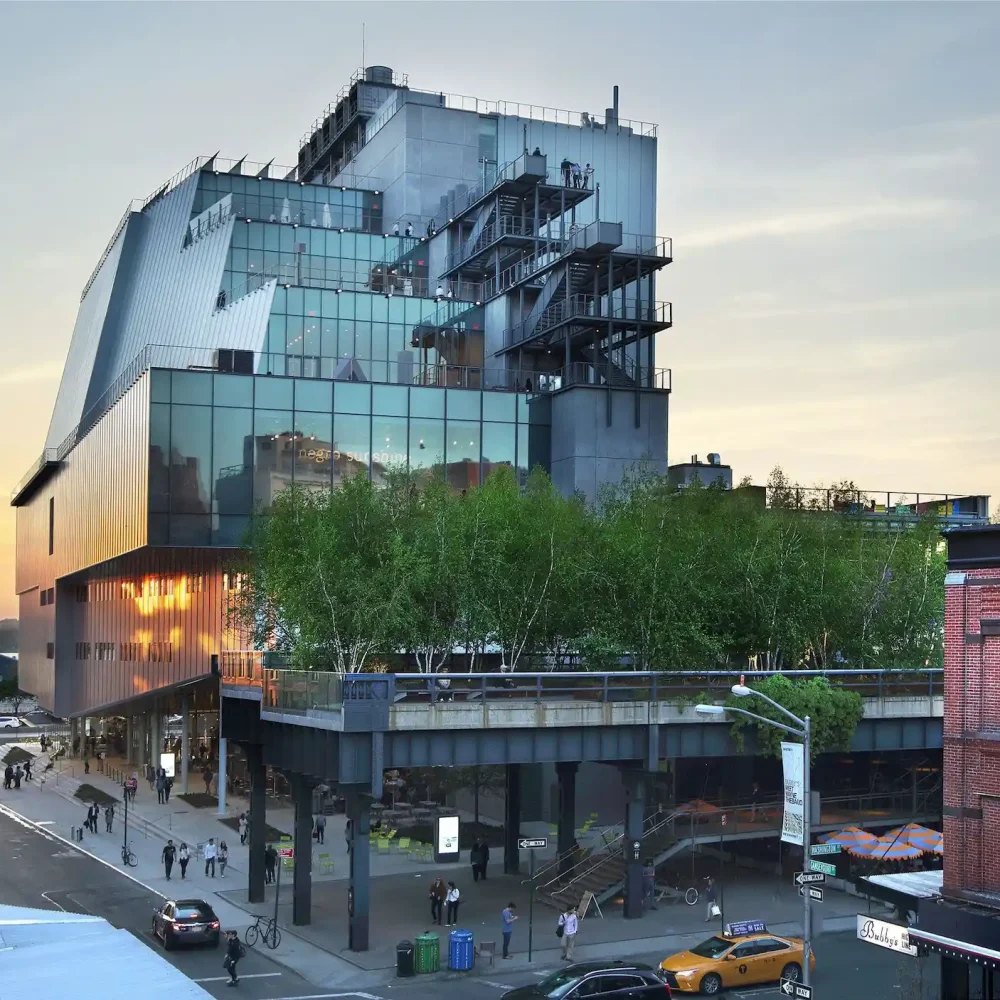
Understanding the July Pulse of New York City
July introduces a measurable shift in the city’s rhythm.
Daylight extends well into the evening, often exceeding fourteen hours. Heat builds gradually and remains embedded within the built environment. Activity increases, but so does cumulative strain.
Movement adjusts in response. Early hours become more active. Midday slows under sustained heat. Evenings extend as temperatures begin to release.
The result is not a peak, but a continuum. Energy is depleted gradually through exposure—light, heat, and sustained motion compounding over time.
Clarity depends on regulation. July becomes a study in pacing, where maintaining equilibrium requires deliberate control of output, rest, and environmental interaction.
Movement Aligned With the Season
Movement in July is defined by timing and restraint.
Early morning provides the most stable conditions. Along the Hudson River, movement begins before the air warms—running, walking, or cycling within a quieter, more controlled environment.
As the day progresses, intensity adjusts. Sessions become shorter, more precise. Movement shifts from volume to continuity—less about duration, more about maintaining rhythm within changing conditions.
Within Equinox, this approach is structured through AM Rituals—a sequence of controlled movement and breathwork designed to transition the body from rest into activation with clarity and intention.
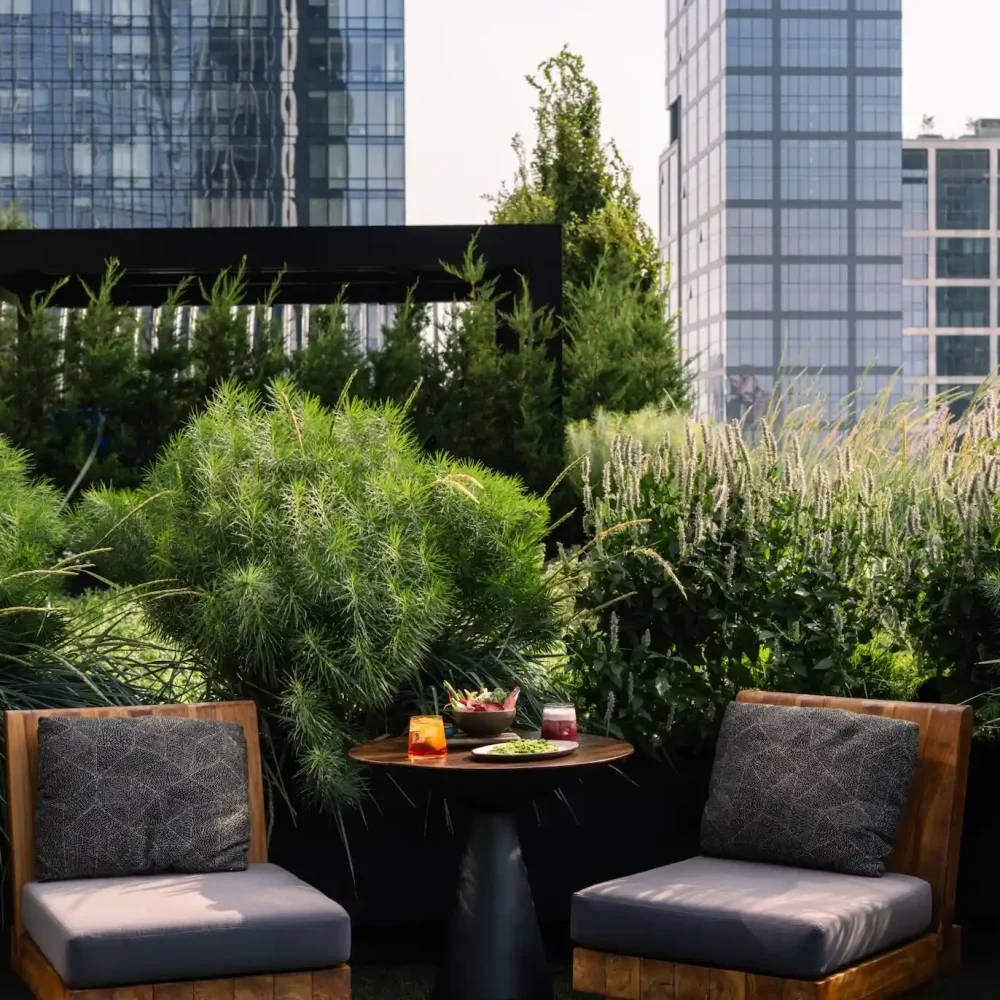
Throughout the day, exposure is moderated. Elevated outdoor spaces introduce brief intervals of open air without excess, maintaining alignment with the environment rather than resisting it.
Movement remains integrated—initiated early, adjusted continuously, and supported by recovery as part of a single system.
Heat, Light, and the Art of Energy Preservation
July places sustained demand on the body.
Elevated temperatures increase physical load. Extended daylight alters circadian timing. Continuous sensory input creates cumulative fatigue.
Within Equinox Hotel, energy preservation is treated as a system rather than a response.
Temperature is controlled through contrast. Pools, cold exposure, and thermal environments provide immediate recalibration, reducing the impact of external heat. Interior spaces remain stable, minimizing fluctuation between environments.
Light is equally regulated. Circadian-aligned lighting and full blackout systems maintain consistent sleep conditions, independent of extended daylight hours.
The sleep experience is central to this system—integrating environment, nutrition, and science-backed protocols to optimize deep, restorative rest. Recovery is not deferred; it is embedded throughout the day, maintaining equilibrium rather than restoring it after depletion.
Evenings Designed for Reset
Evening introduces a controlled reduction.
Heat begins to dissipate. Light softens and recedes. The city continues, but the conditions shift.
Within Equinox Hotel, the transition is defined by precision. Light levels decrease. Sound is reduced. Spatial design limits excess input, allowing the body to recalibrate without interruption.
PM Rituals guide this shift—targeted movement and breathwork designed to release accumulated tension and restore balance to the nervous system.
In-room environments extend this process. Temperature, light, and material remain calibrated to support sleep onset without disruption, maintaining continuity between wakefulness and rest.
Dining follows the same principle. Nutrient-forward compositions and sleep-supportive options reinforce the evening as a preparatory phase for recovery.
The night is not an extension of activity. It is a controlled reset—structured, deliberate, and necessary to sustain clarity within the rhythm of July.
Frequently Asked Questions
July in New York is defined by extended daylight, elevated temperatures, and sustained activity. Days are longer, often exceeding fourteen hours of light, while heat remains present across the city throughout both day and evening.
Higher temperatures shift movement toward earlier and later hours. Midday activity typically slows, while mornings and evenings become more stable periods for sustained movement.
Extended exposure to heat, light, and continuous activity increases cumulative physical and cognitive strain. Structured recovery helps maintain energy, focus, and overall balance throughout the day.
Equinox Hotel integrates temperature-controlled environments, contrast therapy, circadian lighting, and a science-led sleep system to support consistent recovery despite external conditions.
AM and PM Rituals are structured sequences of movement and breathwork designed to support daily transitions—activating the body in the morning and restoring balance in the evening.
Extended daylight can disrupt circadian rhythm and delay sleep onset. Controlled lighting, blackout environments, and sleep-focused routines help maintain consistent and restorative sleep cycles.
Related articles
FRIEZE NEW YORK 2026: IMMERSED IN THE PULSE OF CULTURE
WHY EQUINOX IS BUILT FOR MENTAL CLARITY
AMAALA TRIPLE BAY: A NEW ERA OF HIGH-END WELLNESS

Sex and Sleep: Perfect Bedfellows?