DR. MATT WALKER’S STRATEGIES TO COMBAT JET LAG

ADJUSTING YOUR SLEEP SCHEDULE
Dr. Matt Walker, a renowned sleep expert, offers valuable tips to combat jet lag. By strategically adjusting your sleep schedule before and during your trip, and by prioritizing light exposure and timely meals upon arrival, you can minimize the disruptive effects of time zone changes and enjoy a smoother travel experience.
Set Your Clock Early
As soon as you board the plane, set all your devices to the time of your destination. This simple mental shift helps prepare your body for the new schedule, getting you into the mindset of the new time zone.
Adjust Your Sleep Strategy on the Plan
For long flights, try to sleep early, especially if traveling eastward. This helps your body align with the new time zone sooner.
Stay Hydrated
Drink plenty of water to combat dehydration, which worsens the effects of jet lag. Avoid alcohol and caffeine, as they can disturb your sleep and make dehydration worse.
Use Eye Masks and Earplugs
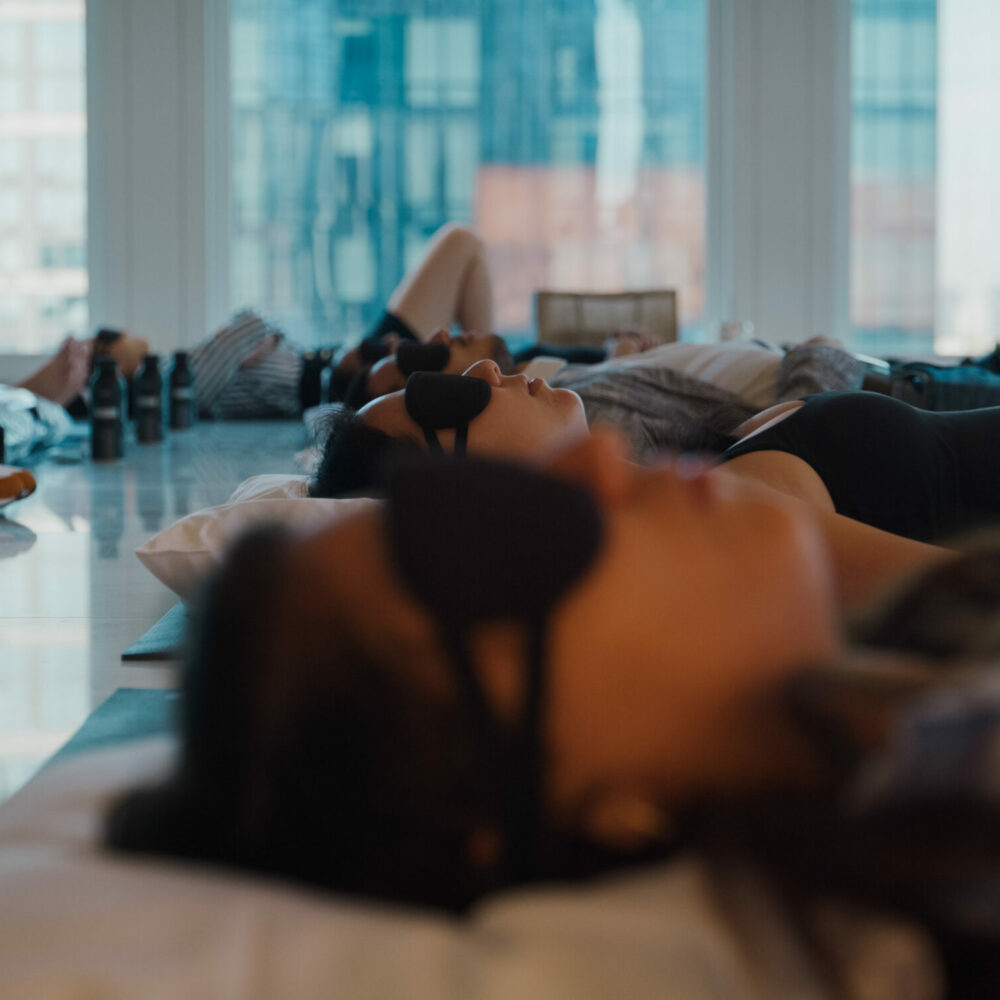
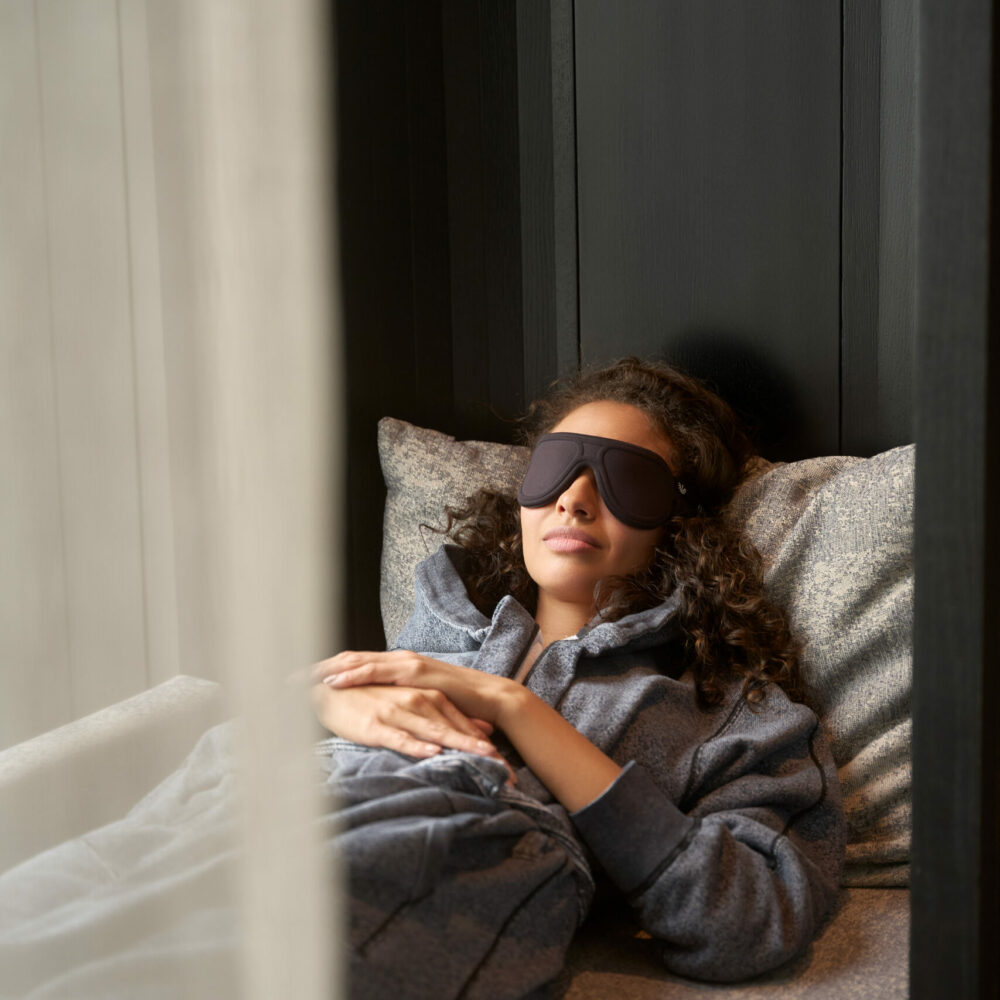
Bring an eye mask and earplugs or noise-canceling headphones to block out light and noise on the plane. Creating a restful environment can help you sleep better.
Consider Strategic Napping
If you’re on a long flight, take short naps (no longer than 20 minutes) to refresh without interfering with your ability to sleep at your destination.
Move Around
Stretch and move around the cabin to promote blood flow and reduce stiffness, which can help with general comfort and recovery.
Avoid Long Naps
After landing, avoid the temptation of long naps. If you absolutely need to sleep, take a short nap (no more than 20 minutes) and make sure it’s early in the day. This prevents disruption of your night’s sleep.
Use Melatonin Strategically
If you find it difficult to fall asleep at the appropriate time, take 0.5-3 mg of melatonin 45 minutes before your desired bedtime. This can help you fall asleep in the new time zone.
Post-Arrival Hydration
Continue hydrating after arrival to combat the dehydration from flying. Avoid heavy meals and alcohol during your first day at the destination.
Physical Activity
Gentle exercise in the morning after arrival helps your body adjust. Avoid intense workouts late in the evening, especially after eastward travel, as it may make it harder to sleep.
JET LAG TIPS FOR WESTWARD AND EASTWARD TRAVEL
Melatonin Recommendations
For both westward and eastward travel, take 1–2 mg of melatonin. For eastward travel, take it around local bedtime. For westward travel, only take melatonin if you wake up in the second half of the night to help you fall back asleep.
Set Your Expectations
Eastward travel often makes it harder to fall asleep. In contrast, westward travel often leads to difficulty staying asleep through the night.
Light Exposure
For eastward travel, get bright light exposure in the morning and avoid it in the evening. When traveling west, it’s ok to seek some bright light in the evening, as it can help you do what you must i.e., stay awake for longer than you normally do after westward travel.
Adjustment Speed
Westward travel allows you to adjust at about 1.5 hr per day, whereas eastward travel typically allows adjustment by around 1hr day. In other words, it takes longer to accommodate to eastward travel.
Related articles

HUDSON YARDS SHOPPING 2026: REFINED RETAIL, ELEVATED LIVING

AMAALA TRIPLE BAY: A NEW ERA OF HIGH-END WELLNESS

NEW YEAR’S RESOLUTIONS 2026

THE BEAUTY OF CHRISTMAS IN NYC