TIME TO BREAK UP WITH YOUR PHONE

A Digital "Sleep Divorce"
In recent years, the concept of “sleep divorce” has gained attention as more couples choose to sleep apart. As a sleep scientist specializing in couples’ sleep patterns, I often find myself addressing this topic. However, I take issue with the term “sleep divorce,” as it carries negative connotations associated with relationship breakdowns. It’s time to reconsider the stigma surrounding this choice.
But I do endorse using the word “divorce” to describe the bedtime breakup of another kind of relationship, that between you and your phone. Coupled or single, sleeping together or apart, cell phones make bad bedpartners and should be banned from the boudoir.
Couples may opt to sleep separately for various reasons. For instance, differing sleep schedules, snoring, or restless movements can disrupt sleep quality. Contrary to popular belief, sleeping apart doesn’t necessarily signal a decline in relationship quality or intimacy. In fact, my two decades of research and clinical experience reveal that there is no universal sleeping strategy for all couples. So sleeping separately should hardly be described as a divorce.
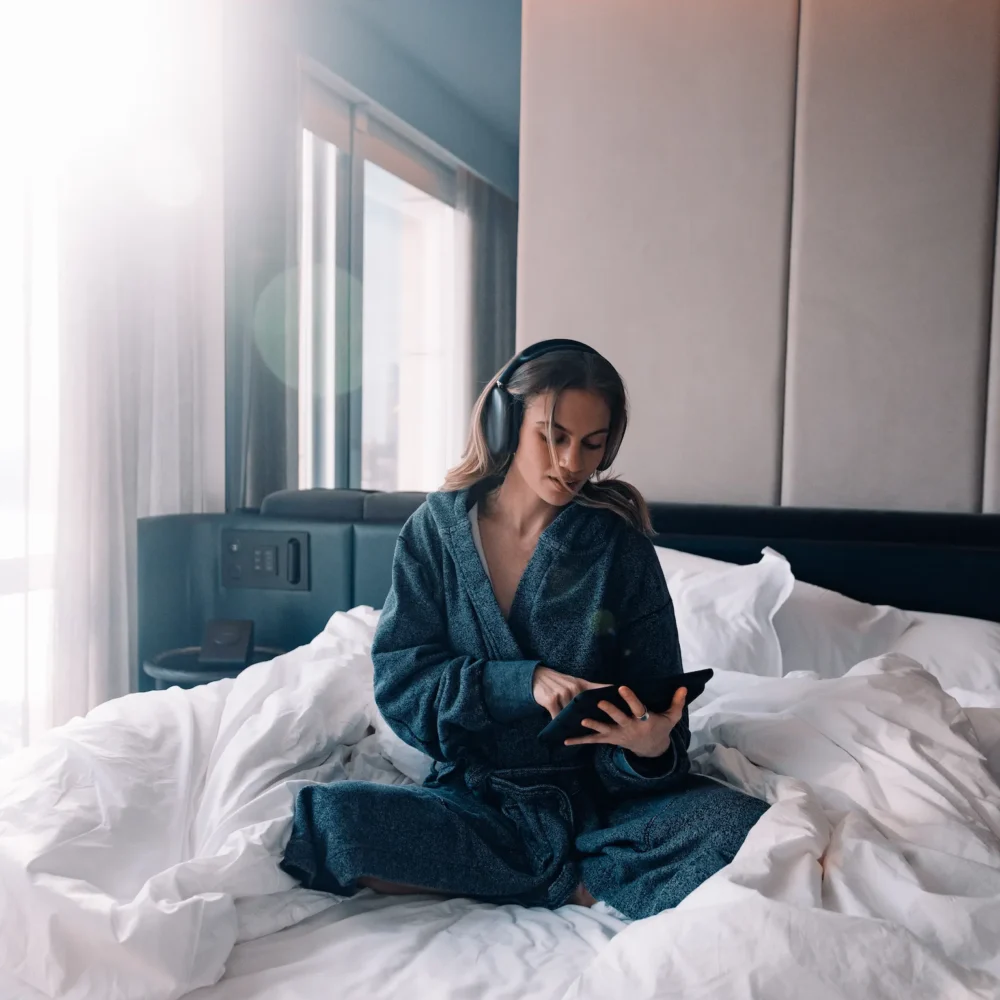

It’s crucial to eliminate the use of a term that needlessly stigmatizes nontraditional sleeping arrangements. Instead, let’s focus on where a “sleep divorce” is truly needed —with our phones. A recent study found that each additional hour of screen time increased insomnia risk by 59% and reduced sleep duration by 24 minutes. Even with blue light filters or glasses, the stimulating content of doomscrolling, emails, or videos can interfere with sleep.
Beyond sleep, couples should consider the relational impact of phone use before bed. This time is precious for couples to connect and unwind. In our evolutionary past, darkness fostered closeness and social connection. Today, we’ve replaced that sacred space with solitary scrolling.
Divorcing from phones isn’t easy, but it’s possible. Start by putting down your phone at least 15 minutes before lights out. During this time, try the “High, Low, Compliment” exercise with your partner. Share the day’s high and low points and offer each other a compliment. This exercise fosters open communication without conflict and helps identify the little reasons you appreciate each other. If you are one of the increasing numbers of couples who choose not to share a bed with your partner, you can still come together to have this moment together, before you go your separate ways for the night.
Do this phone-free exercise nightly for a week, and at week’s end, check in with each other about how it feels and how you’ve been sleeping. It’s a great way to break up with your phone and reconnect with your partner.
Of course, sleeping arrangements, including the use of digital devices, should be a couple-level decision. But it’s worth considering a commitment to a digital “sleep divorce.” Phones have no place in the bed. Embrace this change for better sleep and stronger relationships.
Wendy Troxel is a senior behavioral and social scientist at RAND Corporation, an adjunct professor at the University of Pittsburgh and University of Utah, and author of Sharing the Covers: Every Couple’s Guide to Better Sleep.
Related articles

The Science of Recovery

The Longest Night

New York Fashion Week 2027

US Open 2026: Beyond the Court, Recovery & Style