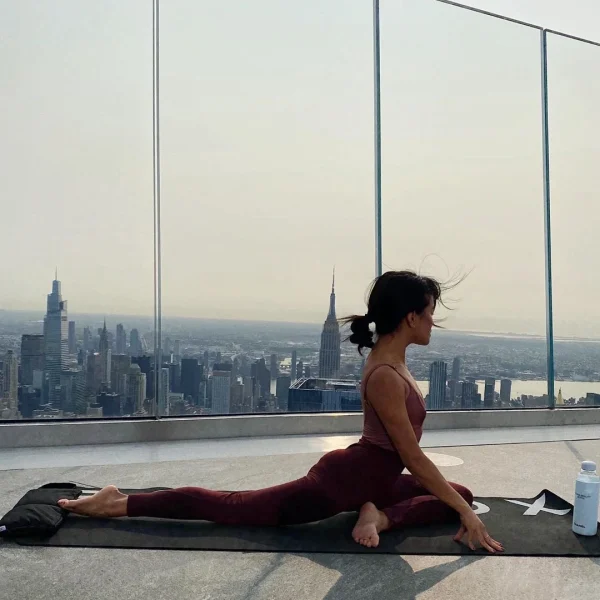
SLEEP SMARTER, LIVE BETTER
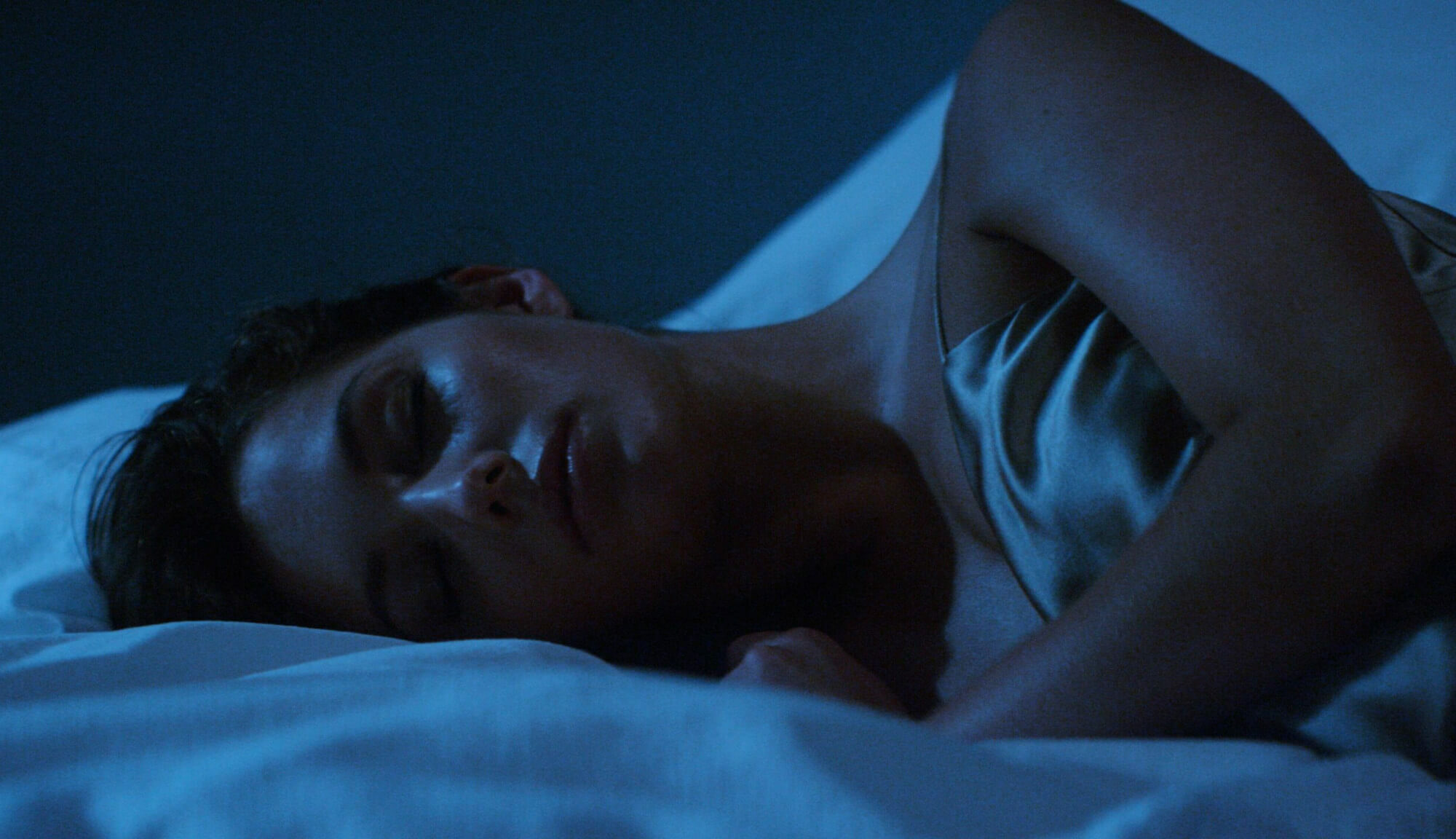
A MASTERCLASS ON SLEEP
You would think that getting a good night’s sleep while traveling, away from the comforts of home, would be straightforward. One-part comfy bed, two parts quiet, a sufficiently dark space, and boom.. a night of refreshing sleep. But we all know this is far from the truth. But is this inevitable? I don’t think so, and neither do the folks at Equinox Hotel NYC, who are doubling down on enhancing the sleep experience of their guests.
On May 1st, I was fortunate to join my esteemed colleagues, Dr. Matthew Walker (author of “Why We Sleep”) and Dr. Wendy Troxel (author of “Sharing the Covers”) on a panel at the Global Sleep Symposium hosted by Equinox Hotels in NYC. We spoke on various topics, but first, Dr. Walker provided a masterclass on the importance of paying attention to one’s internal body clock (also known as our circadian rhythm). Our internal body clock runs in about a 24-hour cycle and influences much of our physiological processes, including cellular function, hormone release, body temperature, and sleep-wake cycle. Our body clock is highly sensitive to environmental feedback, and when it comes to sleep and wake, the strongest input is sunlight.
Most humans are genetically driven to be alert when the sun is up and sleepy when it’s not. But we are not all the same. A manifestation of differences in our genetically endowed internal clock is called chronotype, which is an individual’s preference for the time they go to bed and wake up in the morning. Some of us are “night owls” and prefer to stay up late and get up late, while others are “morning larks” and like to get to bed early and get up early. Most of us, including myself and Dr. Walker, are what are called “intermediate types”, meaning that we are on neither extreme. Attendees of the event completed a short questionnaire to determine their chronotype and answered questions from the audience about all things sleep.

This first portion of the event really engaged the attendees, who comprised media members, hotel guests, and sleep enthusiasts. During the break, we were all treated to sleep-supportive mocktails and appetizers. After mingling, the interactive panel session began led by top-notch health journalist Gabby Shacknai. The group touched on a range of issues, but there were a couple of important topic areas and takeaways that really got me excited. The first is about the promise of sleep technology. There is no doubt that technology will help in making sleep easier.
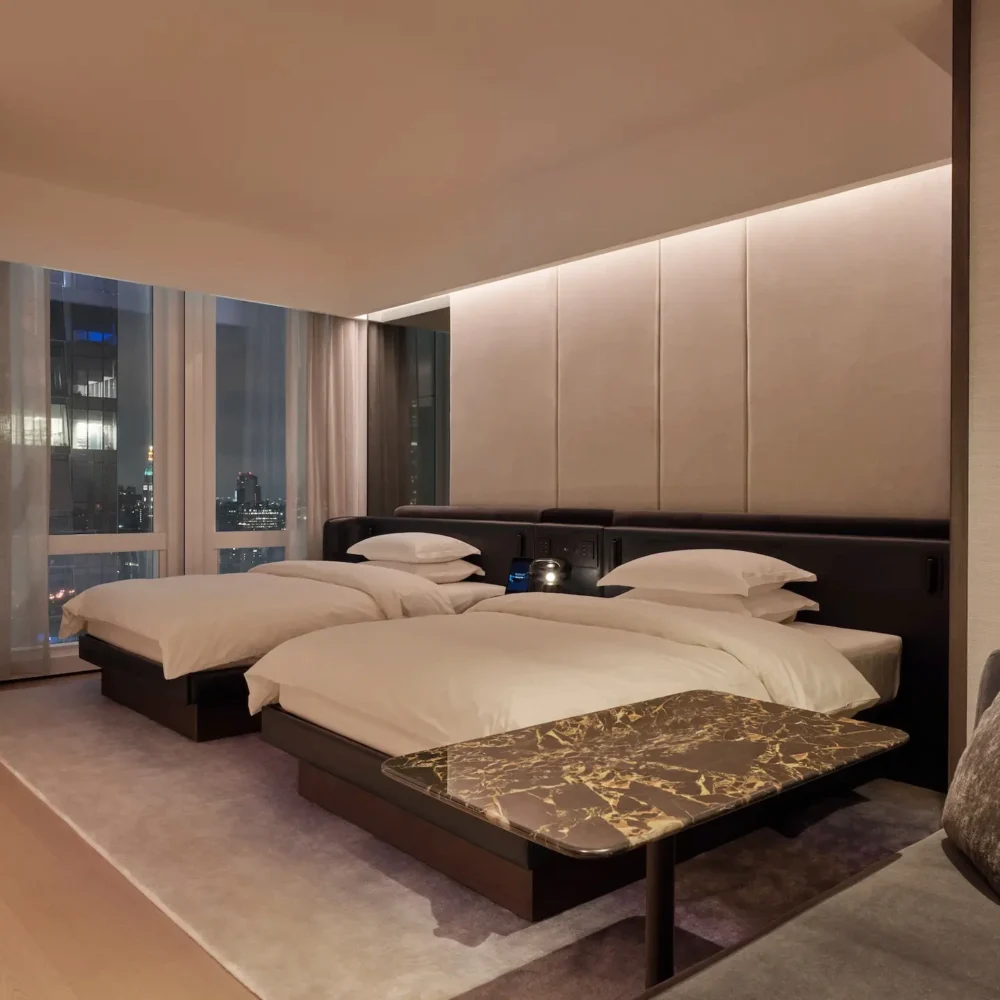
Of course, the thing we hear about most is the perils of technology for sleep. Sure, too much social media and doom scrolling can ruin a night of sleep, but there are also ways for technology to support a good night’s sleep. For instance, my room at the Equinox Hotel was outfitted with a button that brought down the super-dark blackout curtains and cooled off the room to the perfect sleep temperature.
The panel discussed the usefulness of other simple tech improvements, like setting alarms to cue a wind down routine, or Smart Home options like dimming the lights at a certain time or slowing the wifi near bed to decrease blowing through bedtime to stream another show. Dr. Walker talked about the promise of headband-type wearables that may improve sleep onset and maintenance. The sleep field is on the cusp of great technological innovations to leverage and possibly enhance sleep architecture, which is truly exciting.
Despite all the fanfare around the newest in sleep tech, the panel also discussed the importance of sleep equity and our role in ensuring that sleep health does not become a luxury. Dr. Troxel and I have been involved in research and advocacy around reducing sleep disparities, and while we all agree that innovations in sleep technology will open new doors into giving so many more the sleep they need, we all commented on keeping our eyes on ways in which we ensure that all can get the sleep they deserve. To that end, we discussed different policy opportunities to move the needle on sleep health, including wide-scale sleep apnea screening, delaying school start times, and work policies to protect those subjected to shift work.
Finally, we discussed what we deemed some of the most exciting recent sleep research. This ranged from recent work finding that sleep regularity, which reflects one’s tendency to go to bed and get up around the same time, is a significant predictor of mortality risk, even after accounting for how much sleep a person is getting. We also discussed recent findings that sleep may be a path to resiliency. There is strong evidence to show that a good night’s sleep makes it easier to cope with the stressors that we are exposed to when we are awake. It’s like a good night’s sleep thickens our psychological armor so that we can be our best selves.
Sleep is a key pillar of health and wellness. I like to think of sleep as the glue that holds our lives together. There is so much to be optimistic about in the sleep space, and that’s good news because so many are struggling to get the rest they deserve. Equinox Hotels certainly seems to be doing its part to be part of the solution, and I’m grateful for that.
Related articles
WORLD CUP 2026 BASE FOR PERFORMANCE & RECOVERY
Winter in NYC 2026
Met Gala 2026
Inside NYC’s Next-Gen Performance Treatments